To be a valuable global supplier
for metallic honeycombs and turbine parts


Contact number
0555-2813555
To be a valuable global supplier
for metallic honeycombs and turbine parts
Technological Innovation
Process Management
Continuous Improvement
Customer Satisfaction
Knowledge
Dedication
Diligence
Loyalty
Responsibility
Confidence
Tenacity
Respect

To be a valuable global supplier
for metallic honeycombs and turbine parts
Release time:2026-03-31
I've seen DOCs that lasted a million miles. I've also seen DOCs that were junk before they hit 50,000. Same vehicle. Same engine. Same fuel. The difference was the DOC itself.
When people ask me why our DOCs last longer than the cheap ones, I tell them it's not one thing. It's a bunch of things. The foil. The brazing. The coating. The testing. The stuff we don't skip.
Here's what goes into making a DOC that actually lasts.
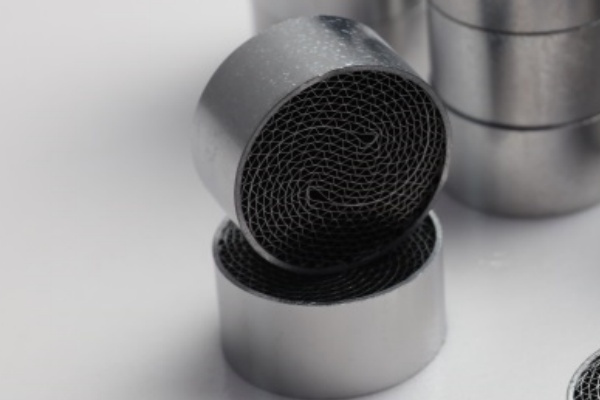
It Starts With the Foil
The substrate is the backbone. If the foil isn't right, nothing else matters.
We use high-grade stainless for our DOC substrates. Not the cheap stuff. Not aluminum. Stainless. Why? Because DOCs run hot. They see thermal cycling every day. They get blasted with exhaust that can hit 600 or 700 degrees during regeneration.
Aluminum can't handle that long-term. It expands and contracts differently than the can. It corrodes if there's any moisture in the exhaust. It just doesn't last.
We also control the foil thickness carefully. Too thin and it's fragile. Too thick and it takes too long to heat up. The sweet spot is around 0.05 mm for most applications. We hold that tolerance batch after batch.
The Brazing Has to Be Right
This is where a lot of DOCs die young.
The brazing is what holds the layers together. If it's not solid, the substrate starts coming apart. Not right away. But after enough vibration and heat cycles, those weak joints let go.
We run a controlled atmosphere furnace. The temperature profile is dialed in for the specific foil and filler we're using. We monitor every batch. We pull samples and peel them apart to check the bond.
I've seen DOCs from other shops where the brazing was spotty. The substrate looked fine on the outside. But tap it with a wrench and it sounded dull. Six months later, that DOC was rattling. The honeycomb had come loose inside the can.
We don't ship a batch until we've confirmed the brazing is solid.
The Coating Is Not All the Same
The washcoat and precious metals are what actually clean the exhaust. But they also affect how long the DOC lasts.
We use a washcoat that's designed to stay porous over time. Some coatings sinter—the pores close up—when they get hot. That reduces surface area. The catalyst still works, just not as well. Over time, conversion drops off.
Our precious metal loading is optimized for durability, not just initial performance. Some manufacturers load up on platinum to get good numbers on a fresh DOC. But that loading can migrate or sinter over time. We balance the loading so it stays active for the long haul.
We also control the coating process carefully. Too much coating and the backpressure goes up. Too little and you don't have enough catalyst. We've been doing this long enough to know where the sweet spot is.
Thermal Stability Matters
A DOC sees a lot of heat. Normal operation is maybe 300 to 400 degrees. But during regeneration, the outlet temp can spike to 600 or 700. Sometimes higher if something goes wrong.
The substrate has to handle that without melting or distorting. The washcoat has to survive it without sintering. The precious metals have to stay where they're put.
We test our DOCs for thermal stability. We run them through thermal cycling in a lab oven. Hundreds of cycles from cold to 700 degrees and back. We check the substrate structure. We check the coating integrity. We measure conversion before and after.
If a DOC can't survive that test, it doesn't leave the shop.
The Can Matters Too
The substrate is only half the story. The can holds it together.
The mounting mat that holds the substrate in the can has to stay tight. If it loses tension, the substrate moves around. Vibration kills it. The mat also has to handle the same temperatures the substrate does.
We use high-temperature mat materials designed for diesel applications. Not the same stuff you'd use on a gasoline converter. Diesel exhaust runs cooler most of the time but can spike hotter during regen. The mat has to handle both.
We also control the canning process. Too much pressure and you stress the substrate. Too little and it's loose. We know the right compression for each size.
What Kills DOCs Early
Even a good DOC won't last if the engine isn't right.
Engine problems are the number one killer. Bad injectors dump too much fuel. The DOC overheats. The substrate melts. High oil consumption puts ash into the DOC. The coating gets covered and stops working. Coolant leaks poison the catalyst.
I've seen DOCs that looked like someone took a torch to them. The substrate was melted in the center. That's almost always an injector problem.
Fuel quality matters too. High-sulfur fuel poisons the catalyst. It's not common in most places now, but it still happens in some regions or with off-road fuel.
Too many regenerations can shorten DOC life. Each active regen is a thermal shock. If the DPF is clogging too often, something else is wrong. The DOC is just taking the hit.
Physical damage happens. Road debris. Bad mounting. Vibration. The substrate breaks loose and rattles around until it breaks.
What a Million-Mile DOC Looks Like
We've had customers send us DOCs that were pulled off engines after a million miles. Not because they failed. Because the engine was being rebuilt.
Those DOCs are still solid. The substrate is intact. The coating is still active. They could go back in service if the customer wanted to reuse them.
What do they look like? The stainless foil has some discoloration from heat. Maybe a little ash buildup on the face. But the cells are still open. The structure is still tight. Tap them and they ring.
That's what durability looks like. Not shiny and new. Still working.
How We Test
We don't just build DOCs and hope they last. We test them.
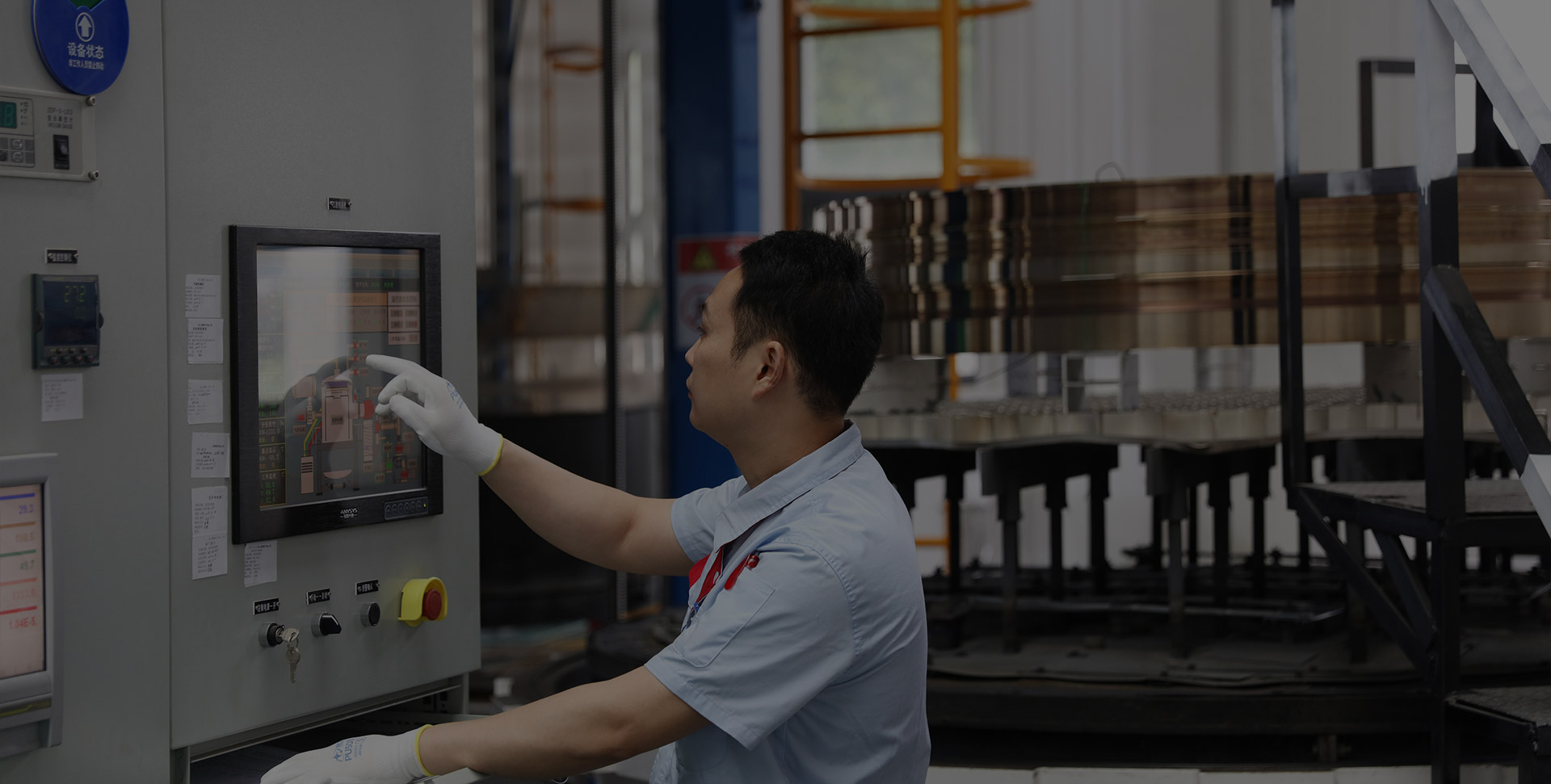
Thermal cycling is the big one. We run them through hundreds of cycles from cold to 700 degrees. We measure backpressure before and after. We measure conversion efficiency. If anything changes more than a little, we go back and figure out why.
Vibration testing simulates what the DOC sees on the engine. We shake them at various frequencies for hours at a time. Then we check for loose substrate, cracks, or anything else.
Corrosion testing matters for marine or coastal applications. We run salt spray tests on the substrate and the can. Stainless holds up. Aluminum doesn't.
Flow testing is part of every batch. We measure pressure drop. Too high means something's wrong with the cell structure. Too low means maybe cells are damaged.
We keep records on every batch. When a DOC comes back after years of service, we can look up how it was made. That feedback loop helps us make the next batch better.
The Cost of Cheap
I get it. Cheap DOCs are tempting. Half the price. Maybe less.
Here's what I've seen happen with cheap DOCs.
They fail early. The brazing wasn't solid. The foil was too thin. The coating wasn't applied right. A year later, the customer is replacing it again. Plus the downtime. Plus the labor. Plus the frustration.
Or they don't fail, but they don't perform. Conversion numbers are borderline. The DPF has to regen more often. Fuel economy drops. The truck burns more fuel over two years than the DOC cost.
A good DOC costs more upfront. It lasts longer. It performs better. It saves fuel. Over the life of the vehicle, it's cheaper than buying two cheap ones.
What Customers Tell Us
We hear it from customers all the time. The ones who switched to us after trying others.
"They just work."
"We don't think about them."
"They're still in there after three years."
That's what durability looks like in the real world. Not a number on a spec sheet. A part you put on and forget about.
Bottom Line
A DOC should last the life of the vehicle. Ours do because we pay attention to the stuff that matters.
Good foil. Solid brazing. Stable coating. Thermal testing. Proper canning. We don't cut corners. We've been doing this long enough to know what happens when you do.
If the engine is right and the fuel is clean, our DOCs will go 500,000 miles. A million in some cases. I've seen it.
That's what durability looks like. Not a warranty claim. Not a replacement. Just a part that keeps working.