To be a valuable global supplier
for metallic honeycombs and turbine parts


Contact number
0555-2813555
To be a valuable global supplier
for metallic honeycombs and turbine parts
Technological Innovation
Process Management
Continuous Improvement
Customer Satisfaction
Knowledge
Dedication
Diligence
Loyalty
Responsibility
Confidence
Tenacity
Respect
To be a valuable global supplier
for metallic honeycombs and turbine parts
Release time:2026-03-06
I've been around these metal honeycomb substrate long enough that I don't really think about them much anymore. They come in, we process them, they go out. Simple as that. But every now and then someone new walks through the shop, takes a look at one, and goes "huh, that's kinda neat" – and I remember that yeah, I guess there is something to them.
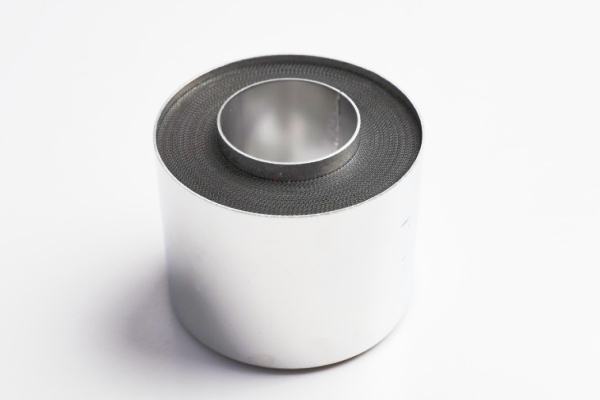
The way I explain it to new guys: exhaust comes in one end, flows through all those little passages, and comes out the other end cleaner. The honeycomb part? It's just holding the good stuff that does the actual cleaning. Gets hot, stays out of the way, doesn't break. That's its job.
But getting there? That's where the years come in.
Those metal sheets we start with – I've seen guys fresh off the street try to handle them like regular metal stock. Doesn't work. They're delicate. You run them through the former, and you better have your eyes open. The cells need to line up just right. If they don't, the flow gets messed up and suddenly your emission numbers start creeping north. Had that happen once years ago. Once.
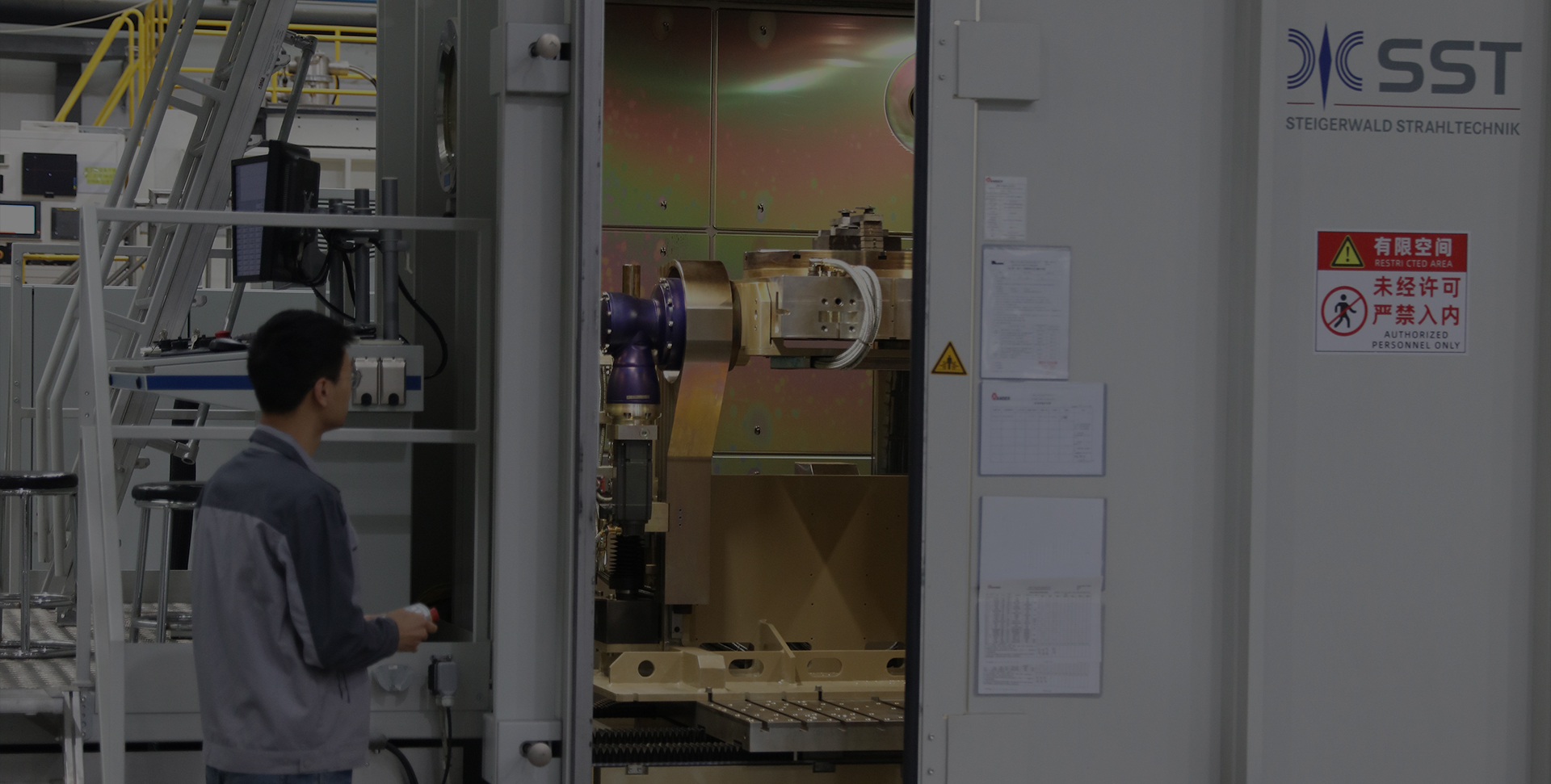
The furnace work is its own animal. After we stack everything, it goes in for brazing. The temperature's got to be exactly where it needs to be. I've run enough batches that I can tell when it's off just by how the parts look coming out. Not by measuring – by looking. The color, the feel. Newer guys trust their instruments. I trust my eyes. Both work, I guess.
When they come out, we check them. Cell count. Dimensions. Whether anything's loose that shouldn't be. I've seen customers reject whole lots over stuff that looked fine to most people. So we check again. Then probably once more.
Where do these things end up? All over.
Cars, mostly. The usual gasoline engines.
Trucks too – diesels run hotter, so the substrates need to handle it.
Industrial sites. You'd be surprised how much exhaust factories put out.
Power stations. Same idea, bigger scale.
Look, I'm not an engineer. I don't design these things. I just make them, day after day. What I've learned is that making them right isn't about following some manual. It's about noticing when something's different. When the material feels slightly off. When the furnace sounds wrong. When a batch comes out looking not quite like yesterday's batch.
The part itself hasn't changed much in all the years I've been doing this. Still just metal with holes. But the consistency? That's on us. Batch after batch, year after year. That's what keeps them working out there, wherever they end up.