To be a valuable global supplier
for metallic honeycombs and turbine parts


Contact number
0555-2813555
To be a valuable global supplier
for metallic honeycombs and turbine parts

Technological Innovation
Process Management
Continuous Improvement
Customer Satisfaction

Knowledge
Dedication
Diligence
Loyalty
Responsibility
Confidence
Tenacity
Respect

To be a valuable global supplier
for metallic honeycombs and turbine parts
Release time:2026-03-14
So I was looking into this thing—waveguide windows with metal honeycomb inside. Sounds like something from a hardware store but it's actually pretty clever.
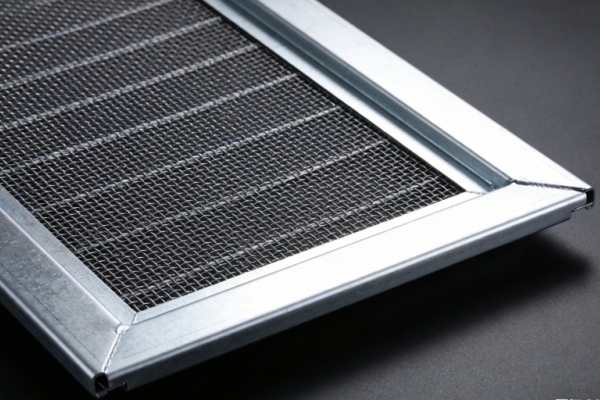
Picture this. You got a waveguide, right? Hollow metal pipe, microwaves flying through it. Need to seal it up so crap doesn't get in. But here's the thing—sometimes regular window materials aren't enough. Especially when you're dealing with serious power. Like radar levels of power. Things get hot.
That's where metal honeycomb comes in.
It's exactly what it sounds like. A thin sheet of metal, looks like a bee hive, all these tiny little hexagonal holes packed together. Doesn't look like much at first glance. But it solves two problems at once.
First one is heat. High power microwaves generate heat. A lot of it. Regular solid windows can soak up that heat and eventually crack or fail. Metal honeycomb? All those little holes mean more surface area. Air flows through. Heat dissipates. Things stay cool. I read about some radar systems where the window would've melted without that honeycomb layer just sitting there doing its job.
Second one is strength. Honeycomb structures are weirdly strong for how light they are. Think about cardboard honeycomb from packaging—you can stand on that stuff. Now make it out of metal. It'll hold pressure, handle vibration, deal with temperature swings. Fighter jets flying around, temperatures changing fast, engines shaking everything—the honeycomb just takes it.
Sometimes the whole window assembly is layered. You got maybe a ceramic outer layer for the actual seal, then a metal honeycomb in the middle, then another layer on the other side. The honeycomb is sandwiched in there, letting the microwave signal pass right through those little holes while handling all the mechanical stress.
And the signal does pass through, which is the wild part. All those holes and the microwaves barely notice. They just keep going like nothing's there. But moisture? Dust? Pressure changes? Blocked.
I was reading about some military applications—shipboard radars, ground-based air defense, stuff like that. They run high power. They run it for hours. Regular windows would cook. So they put honeycomb in there and suddenly it's fine. The thing just sits there, year after year, getting blasted with megawatts of microwave energy, staying cool enough to survive.
Not every waveguide window needs this. If you're just doing low power stuff, regular materials work fine. But when you crank up the power, when things get serious, that's when metal honeycomb shows up. It's overkill for most applications but for the ones that need it, there's really no substitute.
Anyway. Next time you see a big radar somewhere, just know there's probably a piece of metal honeycomb inside, keeping it from melting itself into a puddle. Pretty neat for something that looks like a screen door.