To be a valuable global supplier
for metallic honeycombs and turbine parts


Contact number
0555-2813555
To be a valuable global supplier
for metallic honeycombs and turbine parts
Technological Innovation
Process Management
Continuous Improvement
Customer Satisfaction

Knowledge
Dedication
Diligence
Loyalty
Responsibility
Confidence
Tenacity
Respect

To be a valuable global supplier
for metallic honeycombs and turbine parts
Release time:2025-12-24
If you’ve ever looked under a car, you might have noticed the catalytic converter. Inside, it has a clever design called a honeycomb structure, which makes the converter work efficiently.
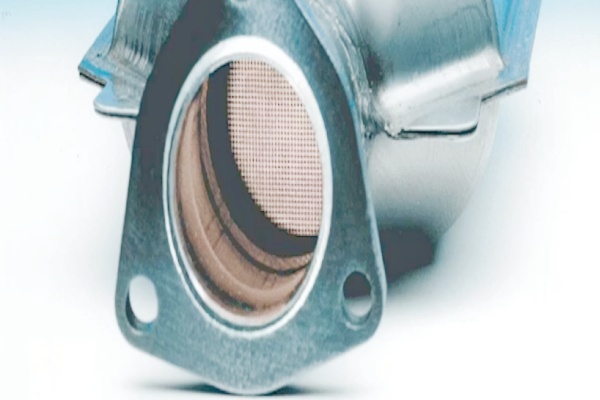
What’s the Honeycomb Structure?
Think of a beehive. The honeycomb inside a car catalytic converter is a network of tiny channels. These channels are coated with metals like platinum, palladium, or rhodium, which help turn harmful gases into less harmful ones.
Why This Design Works
More Surface Area: The honeycomb pattern gives the exhaust gases a lot of surface to touch the catalyst. This helps clean the gases faster.
Smooth Gas Flow: The channels let exhaust pass through without much resistance, keeping the engine running smoothly.
Handles Heat Well: Cars can get very hot, and the honeycomb spreads the heat evenly so the converter lasts longer.
What It’s Made Of
The core can be ceramic or metal. Ceramic is light and handles high temperatures well. Metal is strong and conducts heat better. Both types work with the catalyst coating to clean exhaust gases effectively.
Bottom Line
The honeycomb isn’t just a neat pattern—it’s what makes car catalytic converter efficient and durable. Without it, cars would struggle to meet emission standards, and engines could lose performance. It’s a small part, but it plays a big role in keeping the air cleaner.