To be a valuable global supplier
for metallic honeycombs and turbine parts


Contact number
0555-2813555
To be a valuable global supplier
for metallic honeycombs and turbine parts
Technological Innovation
Process Management
Continuous Improvement
Customer Satisfaction
Knowledge
Dedication
Diligence
Loyalty
Responsibility
Confidence
Tenacity
Respect

To be a valuable global supplier
for metallic honeycombs and turbine parts
Release time:2025-10-17
In the operation of Water jet machines honeycomb systems, the table beneath the cutting surface does more than just hold materials—it shapes how water, abrasive, and debris move during cutting. The flow pattern through the honeycomb has a direct effect on precision, cleanliness, and equipment wear.
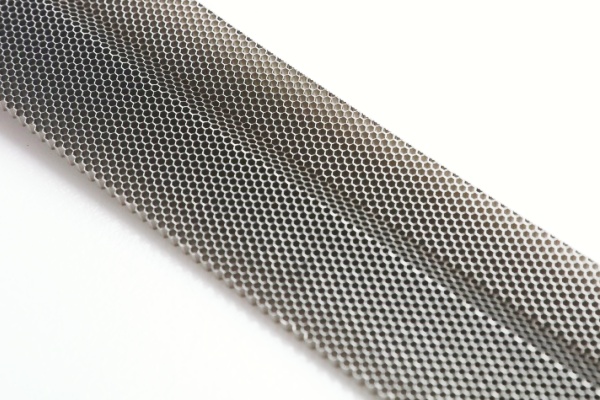
A good Water jet machines honeycomb platform lets water pass through smoothly while keeping the workpiece stable. When the cells are too small, water tends to bounce back toward the material, creating rough edges or uneven cuts. If the openings are too large, thin sheets may bend or vibrate, causing accuracy loss. Choosing the right balance between drainage and support is key, especially when cutting materials of different thicknesses or densities.
The thickness of the honeycomb panel also matters. A thicker structure offers better rigidity and helps the machine maintain a level surface, but it can trap water and fine abrasives. Over time, that buildup can slow down drainage and lead to corrosion if the platform isn’t cleaned properly. Thinner honeycomb plates allow faster flow but may deform after long use. For this reason, some designs use layered or modular panels to combine strength with easy cleaning.
Efficient flow paths inside the Water jet machines honeycomb help maintain stable water pressure and reduce backflow. When channels are blocked, turbulence increases, and the system consumes more energy to keep the water moving. Debris caught in the cells may even bounce back into the cutting area, wearing out nozzles and seals faster.
Regular maintenance is one of the most effective ways to keep the Water jet machines honeycomb working as intended. Dust, scale, and abrasive particles can clog the cells if left unchecked. Periodic flushing with clean water or mild cleaning agents helps restore proper flow and keeps the table performing consistently.
Engineers continue to improve honeycomb platforms by adjusting the geometry of the cells and testing corrosion-resistant materials. Some newer models use coatings or alternate structures to improve flow direction and reduce the need for frequent cleaning.
Ultimately, the Water jet machines honeycomb is not just a passive support—it’s part of the fluid system that affects precision, cutting speed, and overall stability. Understanding how water moves through the honeycomb helps operators achieve cleaner edges, longer component life, and better control over every cut.