To be a valuable global supplier
for metallic honeycombs and turbine parts


Contact number
0555-2813555
To be a valuable global supplier
for metallic honeycombs and turbine parts
Technological Innovation
Process Management
Continuous Improvement
Customer Satisfaction
Knowledge
Dedication
Diligence
Loyalty
Responsibility
Confidence
Tenacity
Respect
To be a valuable global supplier
for metallic honeycombs and turbine parts
Release time:2025-09-22
If you’ve worked around exhaust systems or industrial scrubbers, you know that the heart of reducing emissions isn’t just the chemical coating—it’s the Metal substrate oxidation catalysts underneath. These metal supports do more than hold the catalyst; they make sure reactions happen efficiently and consistently.
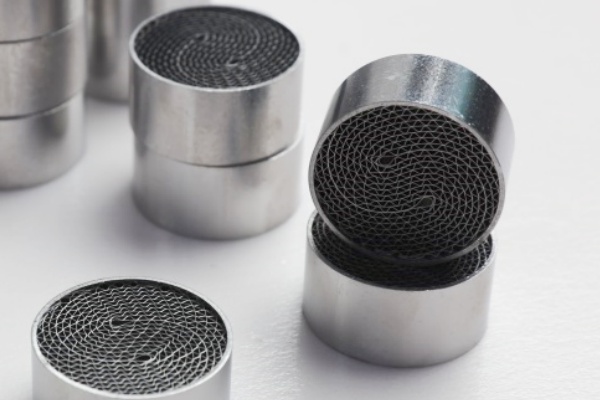
Take cars, for example. The metal substrate in the exhaust catalyst keeps the coating stable and spreads heat evenly. That’s crucial because uneven temperatures can damage the catalyst and reduce conversion efficiency. A good Metal substrate oxidation catalysts setup means carbon monoxide and hydrocarbons get broken down reliably over thousands of miles.
Industrial plants have their own set of challenges. Big volumes of hot gas move through reactors constantly, and the substrate has to handle that stress. Pick the wrong material or structure, and you risk warping, cracking, or uneven flow, which kills efficiency. Engineers design Metal substrate oxidation catalysts with the right thickness, cell structure, and alloy so gases move smoothly and the catalyst stays intact for years.
High heat is tough on anything. Metals expand and contract, coatings can flake, and surfaces can warp. The right substrate design—sometimes with protective coatings and optimized honeycomb or porous structures—keeps everything stable. That’s why well-designed Metal substrate oxidation catalysts last longer and maintain performance under extreme conditions.
From a practical standpoint, a solid substrate also makes maintenance easier. In vehicles, it survives repeated heating and cooling cycles without losing effectiveness. In industry, it means less downtime, lower replacement costs, and smoother operations.
Bottom line: Metal substrate oxidation catalysts aren’t just a support; they’re a key player in keeping emissions low and systems running efficiently. Material, structure, and heat management all matter, and getting those right makes all the difference in both cars and industrial plants.