To be a valuable global supplier
for metallic honeycombs and turbine parts


Contact number
0555-2813555

To be a valuable global supplier
for metallic honeycombs and turbine parts
Technological Innovation
Process Management
Continuous Improvement
Customer Satisfaction

Knowledge
Dedication
Diligence
Loyalty
Responsibility
Confidence
Tenacity
Respect

To be a valuable global supplier
for metallic honeycombs and turbine parts
Release time:2025-09-08
For many, a wood stove means warmth, comfort, and tradition. But modern stoves do more than just burn wood—they maximize heat and minimize smoke, thanks to an important component: the Wooden Stove catalyst substrate. This part helps stoves burn more efficiently and cleanly. Among the different types available, metal honeycomb substrates stand out for their strength and performance.
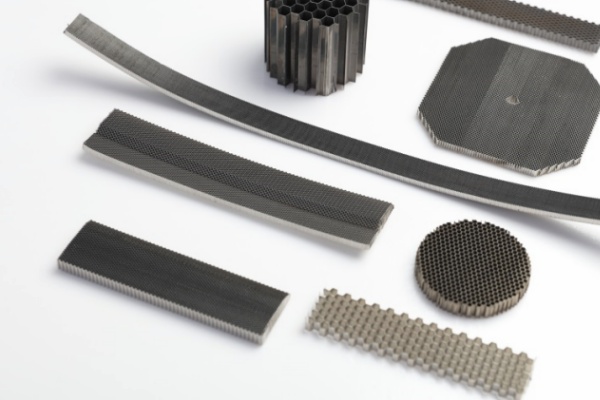
So, what exactly is a Wooden Stove catalyst substrate? In simple terms, it’s a structure that holds a special chemical coating. This coating helps burn off smoke and gases that would otherwise go up the chimney. Instead, they’re turned into extra heat. The substrate makes this process possible.
Metal honeycomb substrates, in particular, offer clear benefits. They are made of thin, high-quality metal formed into a honeycomb pattern. This design provides a large surface area, which allows more smoke to contact the catalytic coating. The result? More thorough burning and less waste.
Durability is another advantage. Wood stoves deal with high heat and shifting temperatures. Metal honeycomb substrates handle these conditions well. They are less likely to crack or wear out compared to other materials, meaning they last longer and perform more reliably.
This type of Wooden Stove catalyst substrate also heats up quickly. The faster it gets hot, the sooner it starts cleaning the smoke. That helps the stove produce useful heat faster and reduces buildup in the chimney.
In short, the Wooden Stove catalyst substrate is what makes a modern wood stove efficient and eco-friendly. And when it’s made from metal honeycomb, it brings extra toughness and quick performance. For anyone who values warmth, efficiency, and cleaner burning, choosing a stove with a metal-based substrate is a wise decision.