To be a valuable global supplier
for metallic honeycombs and turbine parts


Contact number
0555-2813555
To be a valuable global supplier
for metallic honeycombs and turbine parts
Technological Innovation
Process Management
Continuous Improvement
Customer Satisfaction

Knowledge
Dedication
Diligence
Loyalty
Responsibility
Confidence
Tenacity
Respect

To be a valuable global supplier
for metallic honeycombs and turbine parts
Release time:2025-11-08
When we’re setting up a duct or a reactor system, one thing that makes a huge difference is the honeycomb flow straightener. On paper, it looks simple—a bunch of little cells lined up—but once you start using them, you realize how much the design really matters.
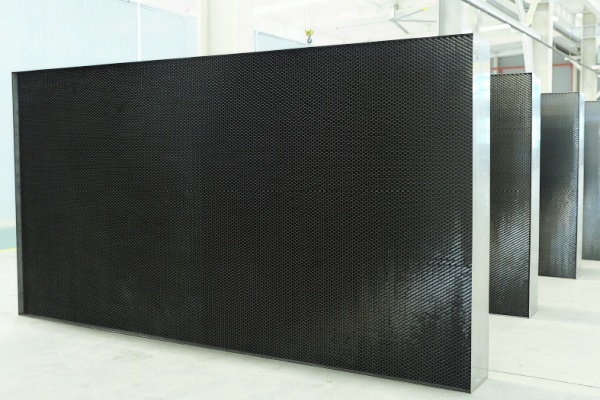
Take the cell size, for example. Smaller cells smooth out turbulence really well, giving you a nice, even flow. But they also make the pressure drop higher, so you’re working harder to push the fluid through. Bigger cells reduce that pressure drop but let some uneven flow sneak through. So it’s always a balance—we pick the right cell size for the job.
The thickness, or the length of the honeycomb along the flow, is another factor. If it’s too short, the flow stays a bit chaotic. Too long, and you end up wasting energy with extra pressure loss. From experience, finding the sweet spot for length makes a noticeable difference in efficiency.
Material choice is something you really notice on the floor. Metal honeycombs—like aluminum or stainless steel—can handle high temperatures and rough conditions, so we use them in turbines or industrial setups. For HVAC or water systems, lighter plastics work fine and they’re easier to install and clean. Picking the right material saves a lot of headaches down the line.
Then there’s the geometry and how you place the honeycomb in the flow path. Straight cells in a straight duct work well, but if you’re dealing with bends or irregular shapes, sometimes you need angled or contoured arrangements. Getting it right ensures the flow stays even without creating extra turbulence.
At the end of the day, using honeycomb flow straightener is about balancing smooth flow and pressure loss. When we get the combination of cell size, thickness, material, and geometry right, the system runs better, uses less energy, and is more reliable.
Honestly, once you’ve installed a few and seen the difference in how fluid moves, you really appreciate the design. They might look simple, but a well-chosen honeycomb flow straightener makes a huge difference in the real world.