To be a valuable global supplier
for metallic honeycombs and turbine parts


Contact number
0555-2813555
To be a valuable global supplier
for metallic honeycombs and turbine parts
Technological Innovation
Process Management
Continuous Improvement
Customer Satisfaction
Knowledge
Dedication
Diligence
Loyalty
Responsibility
Confidence
Tenacity
Respect
To be a valuable global supplier
for metallic honeycombs and turbine parts
Release time:2025-11-07
You know, out here in the plant, we see a lot of different supports for catalysts, but the racetrack metal substrates really stand out for chemical reactors. They might look simple, but they do a big job holding up catalyst coatings and making sure reactions run smooth.
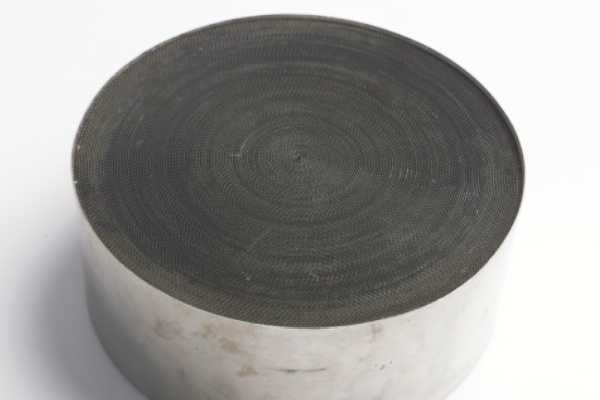
The shape is clever—kind of like a little racetrack loop. It spreads out the catalyst evenly and keeps the flow going right where it’s needed. In reactors, that means gases or liquids hit all the right spots, and you get better reaction efficiency without any weird dead zones.
One thing I notice is how tough these substrates are. Heat, pressure, thermal cycling—you name it—they take it all without cracking. That’s a huge deal compared to some of the ceramic supports we’ve used in the past. Less downtime fixing broken supports, less maintenance hassle, and the process keeps running.
In the lab or on the production floor, we use them for all kinds of reactions—hydrogenation, oxidation, reforming, you name it. The open structure helps everything flow properly, keeps the pressure drop low, and prevents channeling. That’s important when you’re dealing with big reactors and trying to keep things consistent batch after batch.
And honestly, the metal ones are easier to handle. Cleaning, replacing, or recoating catalysts—it’s a lot less finicky than with ceramics. The panels hold up, stay flat, and let us get the catalyst applied just right.
At the end of the day, if you’re running a chemical plant, these racetrack metal substrates make your life a lot easier. They hold the catalyst well, stand up to the heat and stress, and help the reaction run like it should. Once you’ve worked with them, it’s hard to go back to anything else.