To be a valuable global supplier
for metallic honeycombs and turbine parts


Contact number
0555-2813555
To be a valuable global supplier
for metallic honeycombs and turbine parts
Technological Innovation
Process Management
Continuous Improvement
Customer Satisfaction
Knowledge
Dedication
Diligence
Loyalty
Responsibility
Confidence
Tenacity
Respect

To be a valuable global supplier
for metallic honeycombs and turbine parts
Release time:2025-11-03
If you’ve worked with emission control systems, you probably know how crucial the Honeycomb Metal Monolith Substrate is. It’s not just a support; it’s what keeps your catalyst working efficiently under tough industrial conditions.
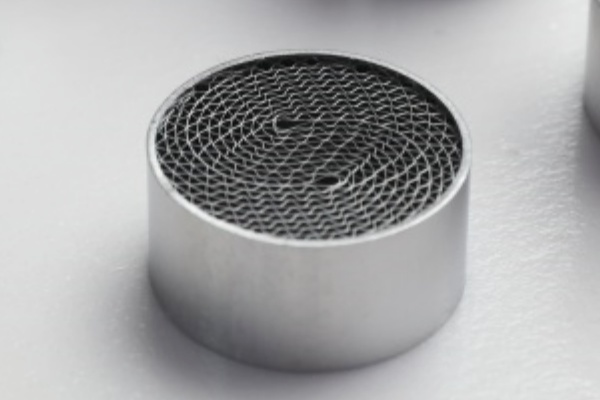
In power plants and gas turbines, these metal substrates hold oxidation or reduction catalysts. Their honeycomb structure ensures the gas flows evenly and reduces back pressure. That means the catalytic reactions run smoothly, and the system doesn’t waste energy. Metal construction helps it survive sudden temperature changes and repeated thermal cycles—something ceramic alternatives can struggle with if conditions aren’t ideal.
Over in chemical plants or petrochemical facilities, exhaust gases are full of VOCs and nitrogen oxides. You need a substrate that won’t warp or corrode over time. The Honeycomb Metal Monolith Substrate Catalytic Converter Substrate handles long hours of operation, lets coatings perform consistently, and can be regenerated more easily than brittle materials. Its strength also handles vibration and turbulent flows, which are common in big industrial setups.
Steel mills and smelters push the limits even further—dust, heat, and fluctuating loads can wreak havoc. The metal honeycomb keeps the catalyst layer intact and the gas flow uniform, which prevents hot spots and reduces maintenance. Over time, it saves you headaches and downtime.
Even in industrial boilers or incinerators, the metal’s fast heat conduction is a bonus. The catalyst reaches operating temperature quicker, which helps cut emissions right from startup. Longer substrate life and lower replacement needs are just added benefits.
Across all these applications, the Honeycomb Metal Monolith Substrate is reliable, durable, and adaptable. It’s one of those components that quietly makes your emission control system work better, longer, and more efficiently—exactly what any engineer wants in the field.