To be a valuable global supplier
for metallic honeycombs and turbine parts


Contact number
0555-2813555
To be a valuable global supplier
for metallic honeycombs and turbine parts
Technological Innovation
Process Management
Continuous Improvement
Customer Satisfaction
Knowledge
Dedication
Diligence
Loyalty
Responsibility
Confidence
Tenacity
Respect
To be a valuable global supplier
for metallic honeycombs and turbine parts
Release time:2025-10-31
The process of making a metal substrate doesn’t follow a strict pattern. It starts with metal foil — thin, flexible, and clean. The foil is rolled and cut until it reaches the thickness needed. At this point, every surface detail matters. A small scratch or uneven edge may affect how it reacts during coating or heating later on.
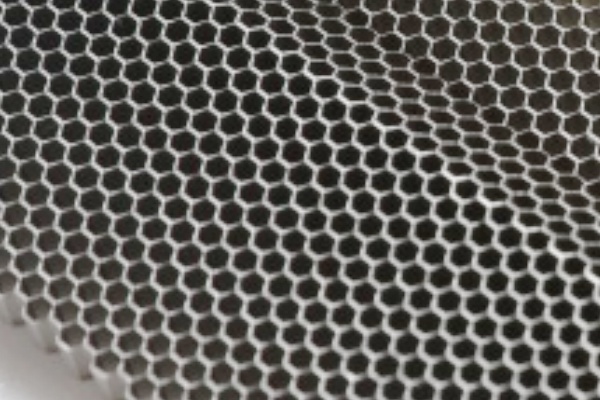
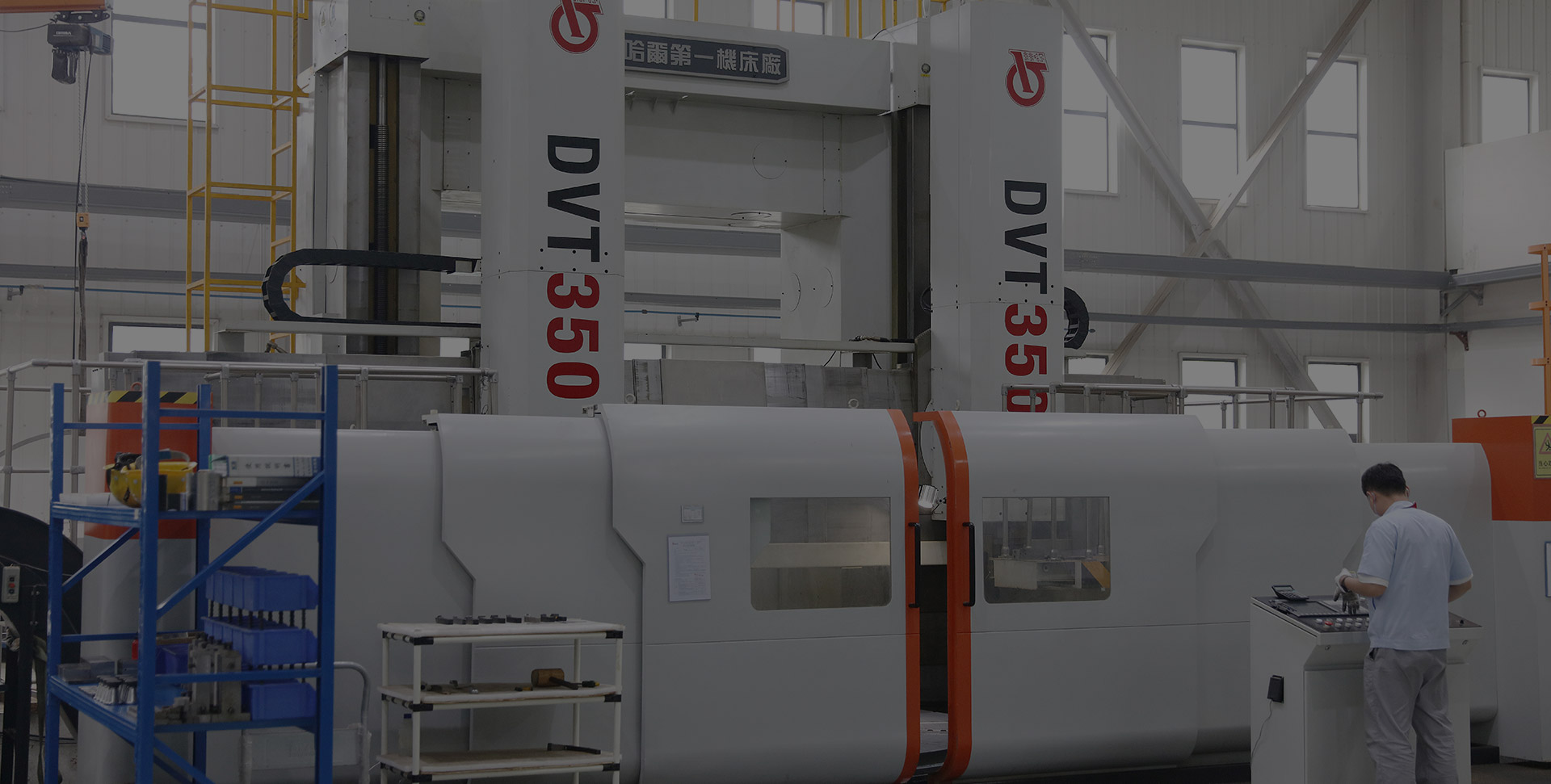
Forming comes next. The foil is pressed into waves or flat layers, then rolled or stacked to create a structure with channels for gas flow. This part looks simple but isn’t. A few millimeters off in alignment can change how air moves inside the converter. Many workshops still rely on experienced workers to check the fit by hand.
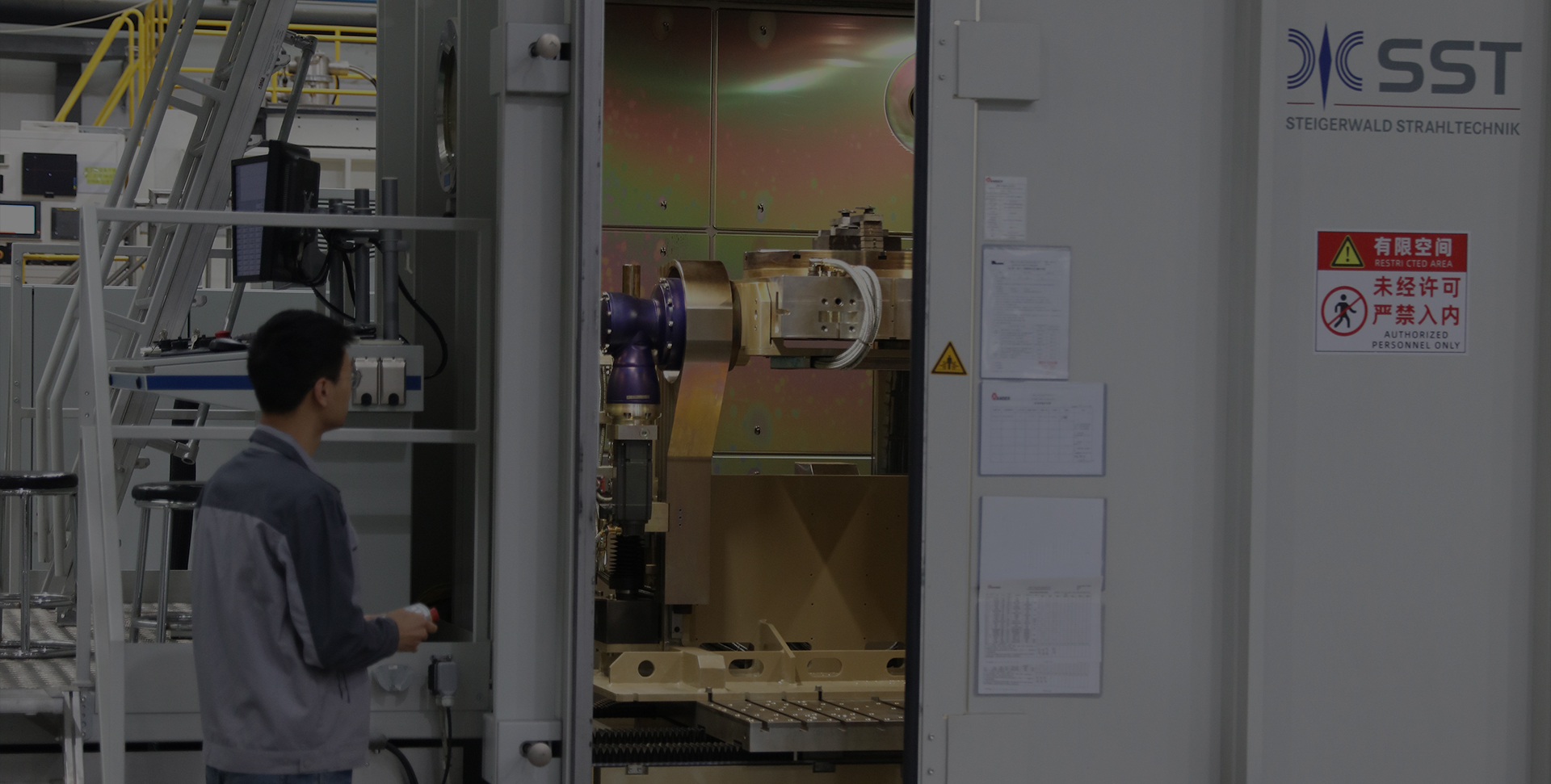
After forming, the layers are joined through brazing or welding. Heat control is the tricky part. Too hot, and the foil can deform. Too cold, and the bond won’t hold. Each material responds differently, so temperature settings are often adjusted by trial and observation rather than charts.
Before coating, the metal substrate is cleaned and treated to make the surface ready for adhesion. Then comes the coating stage — a thin layer of washcoat is applied, sometimes by dipping, sometimes by spraying. Once dried and fixed under controlled heat, the surface is ready for the active components that will do the catalytic work.
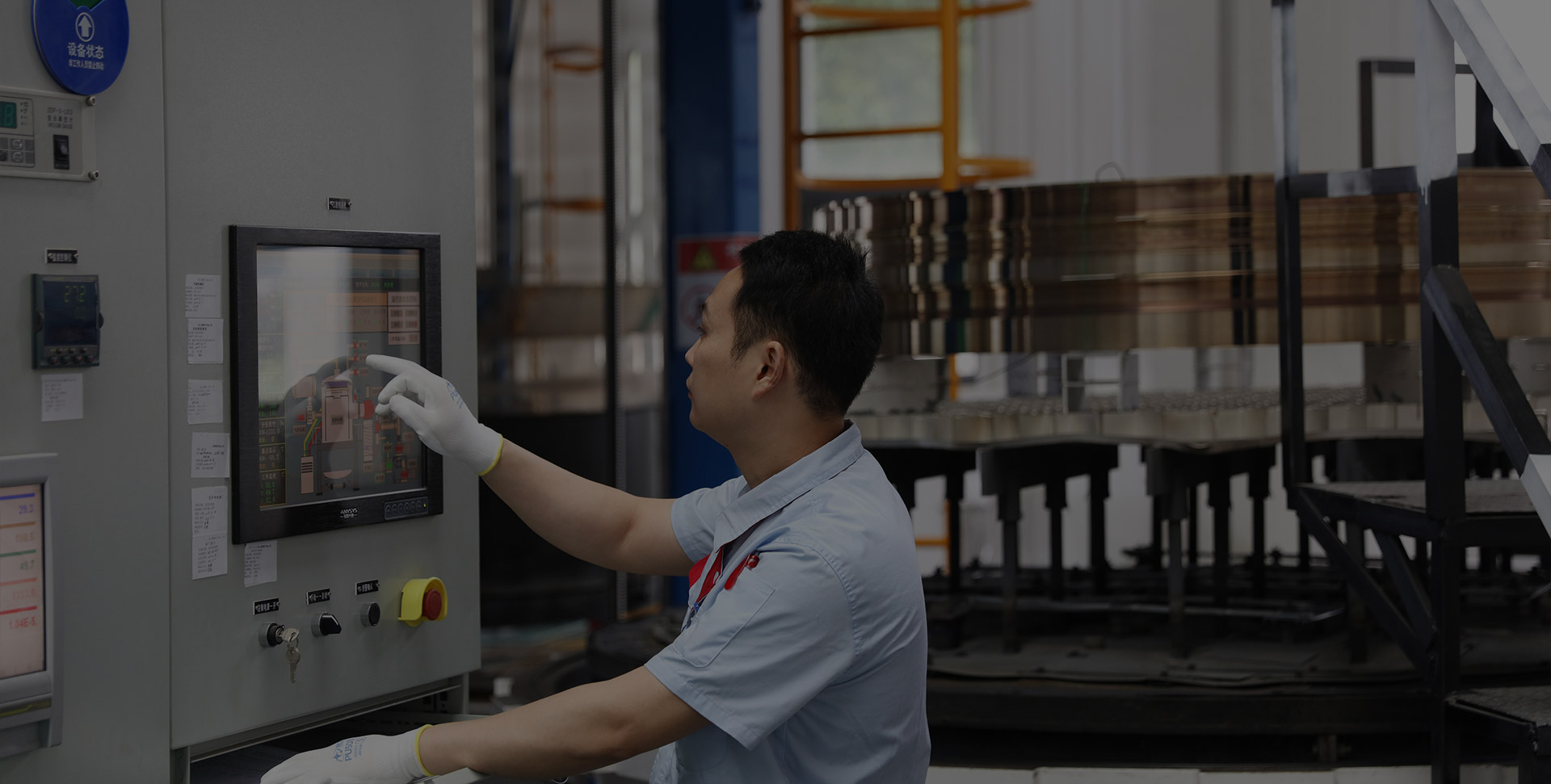
Testing follows. Each metal substrate is checked for flow resistance and strength. In some cases, samples are aged under high heat to see how they behave after long use. It’s not about perfection; it’s about consistency and endurance.
The craft has evolved with machines, but the final quality still depends on people — the small decisions, the fine adjustments, the way someone reads color or sound in the furnace. That’s what gives every metal substrate its real character and reliability.