To be a valuable global supplier
for metallic honeycombs and turbine parts


Contact number
0555-2813555
To be a valuable global supplier
for metallic honeycombs and turbine parts
Technological Innovation
Process Management
Continuous Improvement
Customer Satisfaction
Knowledge
Dedication
Diligence
Loyalty
Responsibility
Confidence
Tenacity
Respect
To be a valuable global supplier
for metallic honeycombs and turbine parts
Release time:2025-10-27
Across different industries, the discussion on sustainability is becoming less about slogans and more about the way equipment is actually built and maintained. In that process, metal substrate oxidation catalysts have started to play a quiet but significant role. They are practical components, designed not only for performance but also for long-term environmental impact.
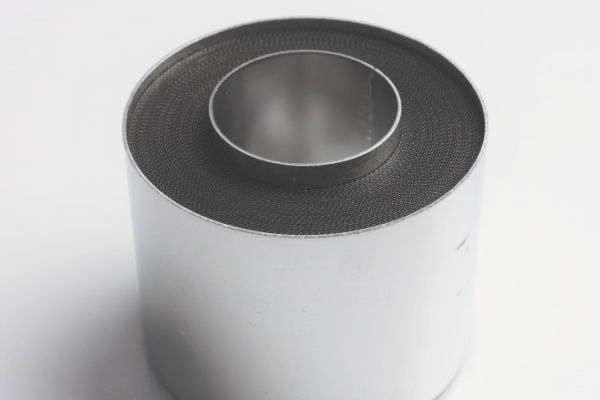
The first thing that makes metal substrate oxidation catalysts stand out is their structure. The metal core helps heat spread evenly, allowing the catalyst to handle sudden temperature shifts without damage. This kind of reliability means it can stay in service longer, reducing the need for frequent replacements. For factories or power plants that run non-stop, that translates into less downtime and less waste.
Energy use is another part of the story. Because of the way the metal substrate is formed—thin walls, smoother passages—it allows gas to move through more freely. Less pressure means less power needed to push exhaust through the system. Over time, the savings in fuel or electricity become quite noticeable, and the environmental benefit is direct.
At the end of its service life, a metal substrate oxidation catalyst doesn’t necessarily become scrap. The metal can be recovered, sometimes even reused in new catalyst production. This recyclability is what ties the technology to the larger idea of circular economy—materials stay in the system longer, and fewer new resources are required. It’s a practical form of sustainability that fits real industrial conditions.
When it comes to emission control, metal substrate oxidation catalysts make it easier to meet modern environmental standards. They help turn unburned hydrocarbons and carbon monoxide into less harmful compounds, improving air quality without major energy penalties. That’s why they’ve become standard in many gas turbines, vehicle exhaust systems, and waste-gas treatment units.
Durability and stability also matter. The combination of corrosion resistance and thermal endurance allows these catalysts to maintain consistent activity under harsh conditions. This means fewer replacements, less transport, and less material use—all of which contribute to a smaller environmental footprint over time.
In short, the value of metal substrate oxidation catalysts goes beyond performance figures. Their strength lies in quiet efficiency—long life, recyclability, and the ability to cut energy use without complicated adjustments. As industries move toward cleaner and more responsible production, technologies like this form the foundation that makes sustainability practical rather than theoretical.