To be a valuable global supplier
for metallic honeycombs and turbine parts


Contact number
0555-2813555
To be a valuable global supplier
for metallic honeycombs and turbine parts
Technological Innovation
Process Management
Continuous Improvement
Customer Satisfaction
Knowledge
Dedication
Diligence
Loyalty
Responsibility
Confidence
Tenacity
Respect
To be a valuable global supplier
for metallic honeycombs and turbine parts
Release time:2025-10-23
Alright, let me tell you how these Purification catalytic converter really work in the field — and I’m talking factories, power plants, smelters, not cars. People usually think of converters as automotive stuff, but in heavy industry, they’re quietly doing the hard work of cleaning up exhaust all day, every day.
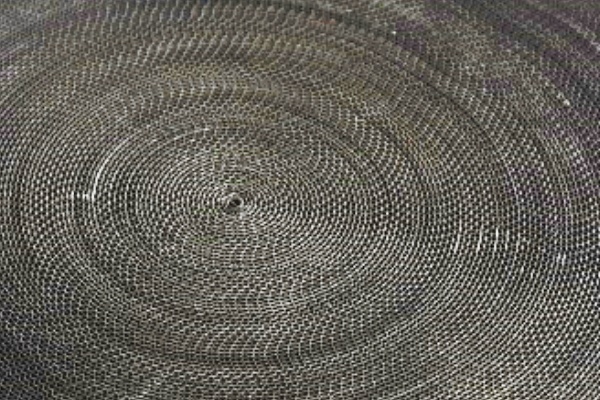
So picture a boiler room or a chemical plant. The exhaust coming out isn’t just hot air — it’s a nasty mix of carbon monoxide, hydrocarbons, nitrogen oxides, and sometimes dust and other particles. If you just let that out, it’s trouble. That’s where the Purification catalytic converter steps in. It gives the gases a surface to react on, converting most of the bad stuff into carbon dioxide, nitrogen, and water. The honeycomb structure inside? That’s the magic — it spreads the flow evenly, keeps pressure from spiking, and makes sure every bit of gas touches the catalyst.
Every facility is different, so you can’t just slap one in and call it a day. In a chemical plant, your focus might be VOCs. In a boiler, it’s unburned hydrocarbons and black smoke. Smelters? Fine metal fumes everywhere. That’s why engineers spend time choosing the right substrate, the right catalyst coating, and making sure it’s all tuned for your flow rates and temperatures. The Purification catalytic converter is only as good as the setup around it.
Maintenance is where people often get lazy. Soot, dust, and chemical residues build up fast. I’ve seen converters lose half their efficiency just because nobody checked them for months. A quick inspection, some cleaning, even just brushing out the channels can bring it back to near-new performance. Keep an eye on pressure drops and temperature variations — they tell you when something’s starting to clog or foul.
With modern regulations tightening, these converters aren’t just “bonus equipment” anymore. They’re part of the main system design. Done right, they let plants run cleanly without losing output, and they last longer too if you treat them right.
Bottom line: the Purification catalytic converter is one of those unsung heroes. You rarely notice it’s working — but if it stops, you definitely notice fast. Treat it well, maintain it, and it keeps your emissions in check while letting the plant run smoothly.