To be a valuable global supplier
for metallic honeycombs and turbine parts


Contact number
0555-2813555
To be a valuable global supplier
for metallic honeycombs and turbine parts
Technological Innovation
Process Management
Continuous Improvement
Customer Satisfaction
Knowledge
Dedication
Diligence
Loyalty
Responsibility
Confidence
Tenacity
Respect

To be a valuable global supplier
for metallic honeycombs and turbine parts
Release time:2025-12-31
Inside a diesel oxidation catalytic converter, the substrate carries the catalyst and shapes how the exhaust flows. Most converters use a honeycomb structure with thousands of tiny channels. Gas passes through these channels and interacts with the catalyst coating.
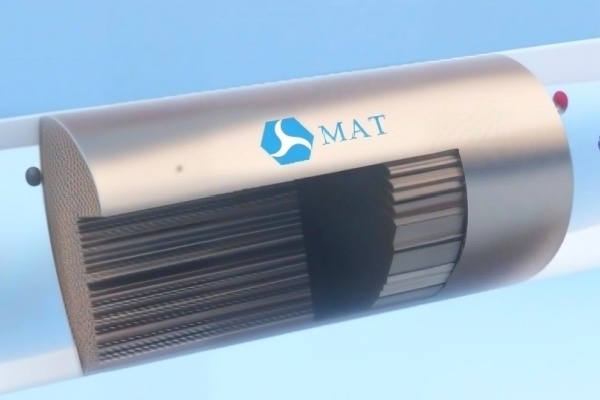
The layout of the channels matters. If some areas see more gas than others, the catalyst in those spots wears faster. Over time, this can affect performance. A good substrate keeps the flow even.
Heat is another challenge. Diesel exhaust temperatures rise and fall constantly. Cold starts, acceleration, or heavy load can create stress inside the converter. The right substrate spreads heat more evenly, reducing the chance of cracks or damage to the catalyst coating.
Materials make a difference too. Ceramic substrates handle high temperatures well and are lightweight. Metal substrates heat up faster and resist vibration better. Both need precise manufacturing. Small differences in channel size or wall thickness can change how the converter performs.
In short, the substrate isn’t just a support. It sets the stage for the catalyst to do its job. In a diesel oxidation catalytic converter , the structure, material, and build quality together decide how long it works effectively.