To be a valuable global supplier
for metallic honeycombs and turbine parts


Contact number
0555-2813555
To be a valuable global supplier
for metallic honeycombs and turbine parts
Technological Innovation
Process Management
Continuous Improvement
Customer Satisfaction
Knowledge
Dedication
Diligence
Loyalty
Responsibility
Confidence
Tenacity
Respect
To be a valuable global supplier
for metallic honeycombs and turbine parts
Release time:2025-11-13
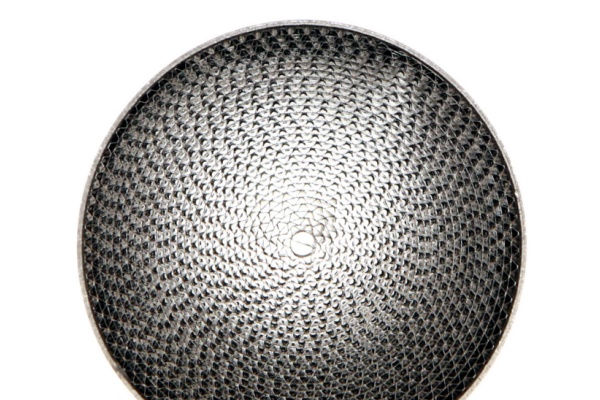
In our workshop, we see plenty of round metal substrate put to the test. Diesel engines, marine generators, and off-road machinery don’t run gently—they’re subjected to rapid temperature swings, heavy vibration, and long hours of operation. If the substrate can’t handle it, cracks or coating peeling happen fast, and the catalytic performance drops.
Handling Thermal Shock
Thermal shock is a big concern. Think about a cold engine start: the substrate goes from ambient temperature to hundreds of degrees in a few minutes. That sudden expansion can create stress inside the metal honeycomb. If the material or welds aren’t right, micro-cracks form.
In practice, we simulate this by cycling substrates between room temperature and up to 900°C repeatedly. What we’ve learned:
Material choice matters. FeCrAl alloys hold up much better than stainless steel under repeated heating, forming a protective oxide layer that keeps the substrate strong.
Wall thickness and cell density are key. Thicker walls resist cracking, but if they’re too thick, heat transfer slows down. It’s always a balance.
We inspect every substrate after testing, looking for cracks or coating damage. These simple observations often tell more than any calculation.
Vibration is another killer. Marine engines, construction machines, and off-road vehicles shake constantly. Even a tiny flaw in brazing or welds can turn into a crack over time.
We run substrates on vibration rigs that mimic engine mounts. It’s not just about seeing if it breaks— we check how the brazing holds up, if the substrate moves inside the canister, and whether coatings remain intact.
From experience, adding a bit of foil thickness and designing smart expansion joints reduces stress a lot. It gives the substrate enough flexibility to handle vibration without failing.
Here’s what we focus on when building round metal substrates:
Channel shape: Uniform, round channels spread stress evenly and prevent hot spots.
Foil quality: High-purity FeCrAl foil reduces tiny defects that can grow into cracks.
Brazing: Laser or vacuum brazing ensures joints stay strong under heat and shake.
Housing design: Supports and cushions inside the canister absorb shocks before they reach the substrate.
These details aren’t flashy, but they make the difference between a substrate that lasts a few months and one that goes for years without problems.
A round metal substrate that fails early isn’t just inconvenient—it can make an engine exceed emissions limits and lead to expensive repairs. Proper thermal shock and vibration resistance testing ensures the substrate does its job, keeps emissions under control, and doesn’t cause downtime.
Round metal substrates look simple, but surviving heat and vibration takes engineering experience. Testing in realistic conditions, choosing the right materials, and paying attention to design details make them dependable. In the field, that reliability translates into engines running cleaner, longer, and safer.